The work that happens before the report
AI-powered reports only work if the data going in is right. Here's what changed in 2025 for the people collecting it.
AI-powered reporting cut weeks of manual analysis to a 30-minute conversation. That was the headline of MainEvent’s 2025 release wrap-up. But better reports only matter if the data going in was collected right, and that happens in the field, not the dashboard. A brand ambassador opening the app at 9am before a sampling shift. A staffing coordinator deciding which rep to invite to a weekend event. An ops manager running payroll without surprises.
Across 18 releases in 12 months, MainEvent shipped a lot of unglamorous infrastructure that makes everything else work.
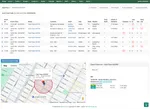
Where the changes landed:
- Smarter scheduling: distance to event, staff rate, and “completed similar events” columns on the invitation page so coordinators stop booking the wrong person
- Field app polish: state/province dropdowns (no more “Tx” vs “TX” payroll cleanup), redesigned event cards, configurable photo permissions
- Workflow enforcement in a strict order (check-in, then recap, then check-out, then claim) so claims never reach the queue with missing data
- Claims at scale: position-based forms, payroll overlap checking, conflicting-claim detection at the event level
- Allocation logging with full edit history so budget changes leave a trail
- TDLinx import for the alcohol and beverage vertical, with automatic match-or-create against existing locations
- Census demographics on every venue at the census-tract level, the data layer that powers mAInevent Agents store recommendations
- Report scheduling by email, FTP, or API for teams feeding Tableau or Power BI
These aren’t demo-stage features. They’re what makes the reports trustworthy at the other end.
Date
Reading Time
2 minutes
Previous article
From two weeks to thirty minutes: how MainEvent changed in 2025Category
Comprehensive software for marketing agencies & brands to plan, execute, and evaluate their face-to-face campaigns.