Two views of Collaborate: NCAC and the CACs of Arkansas
A single Children's Advocacy Center and a statewide network describe how the same case management system fits two very different jobs.
In the CAC world, the same software has to do two different jobs. At an individual center it has to fit the actual workflow: therapists, medical staff, advocates, and forensic interviewers all looking at the same client even though they document very different things. At a statewide chapter it has to roll dozens of independent member centers up into numbers that hold up to outside scrutiny.
We sat down with two long-time Collaborate users at opposite ends of that spectrum: Kelli Mukaddam at the National Children’s Advocacy Center in Huntsville, Alabama, and Dawn Meyer at the Children’s Advocacy Centers of Arkansas. The contrast in their answers maps almost perfectly onto the gap the software has to bridge.
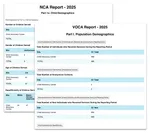
NCAC is unusual among CACs in offering in-house medical and therapy services alongside the core forensic interview and advocacy work. Before Collaborate, that meant separate documents for separate disciplines. Arkansas was a different problem: a patchwork of centers tracking work in spreadsheets, with statistics flowing through a state governmental commission and rarely matching what the chapter or its legislators were citing.
What the two views have in common:
- A vendor that bends to fit the work rather than the other way around. Kelli’s word: “personalized.” Dawn’s: “outside the box.”
- Features built for one CAC become available to others. Each accommodation widens the platform for everyone behind it
- Six years of steady cadence instead of big-bang releases
- Willingness to take on edge cases that don’t look like anyone else’s, like Arkansas’s unique CAC/MDT split
Date
Reading Time
1 minute
Previous article
The work that happens before the reportCategory
Customizable case management software for non-profits and social services agencies.